
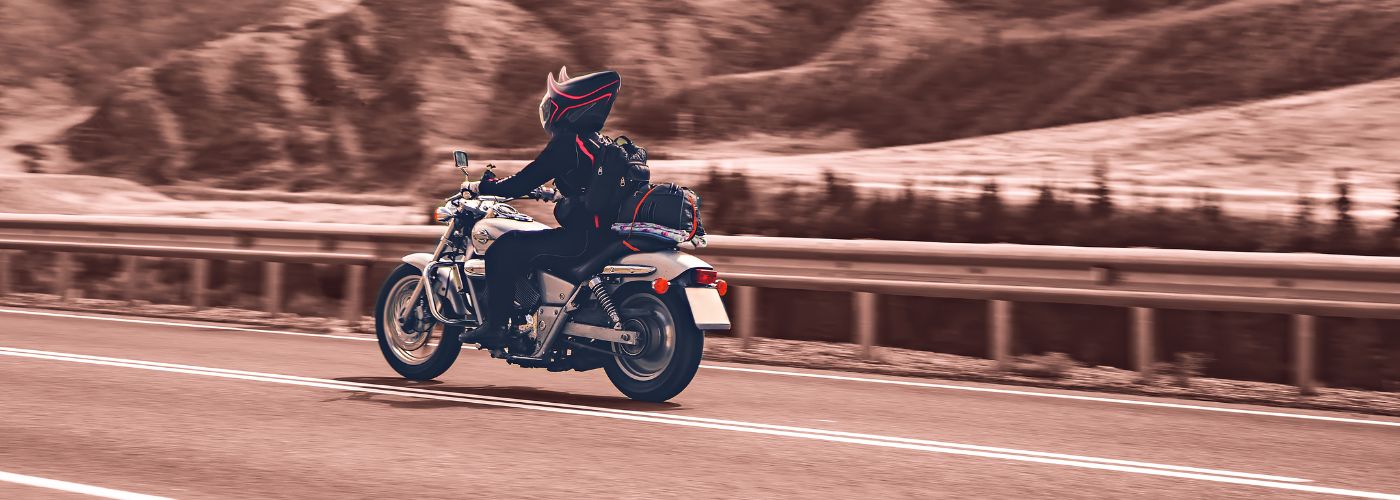
Motorcycle travel is an exciting way to explore new places while enjoying the open road. It offers freedom, adventure, and a closer connection to your surroundings than other forms of travel.
This article goes over the key things you should know about motorcycle travel before heading out on your journey.
What To Know About Motorcycle Travel
When people start learning what to know about motorcycle travel, they often focus only on the thrill and overlook the planning required. While riding a motorcycle across long distances can be incredibly rewarding, it also requires preparation, awareness, and flexibility.
Unlike driving a car, you are more exposed to the environment, which means small mistakes can turn into bigger problems if you are not ready.
Understanding what to know about motorcycle travel can make the difference between a stressful trip and a smooth, enjoyable adventure.
From planning your route to maintaining your bike, every detail matters. Taking time to prepare before you leave will help you stay safe, comfortable, and confident throughout your ride.
Plan For Fuel Stops and Breaks Along Your Route
One of the first things to know about motorcycle travel is that fuel planning is essential. Motorcycles often have smaller fuel tanks than cars, which means you cannot travel as far without stopping.
If you are riding through remote areas, gas stations may be spaced far apart, so it is important to map out your stops ahead of time.
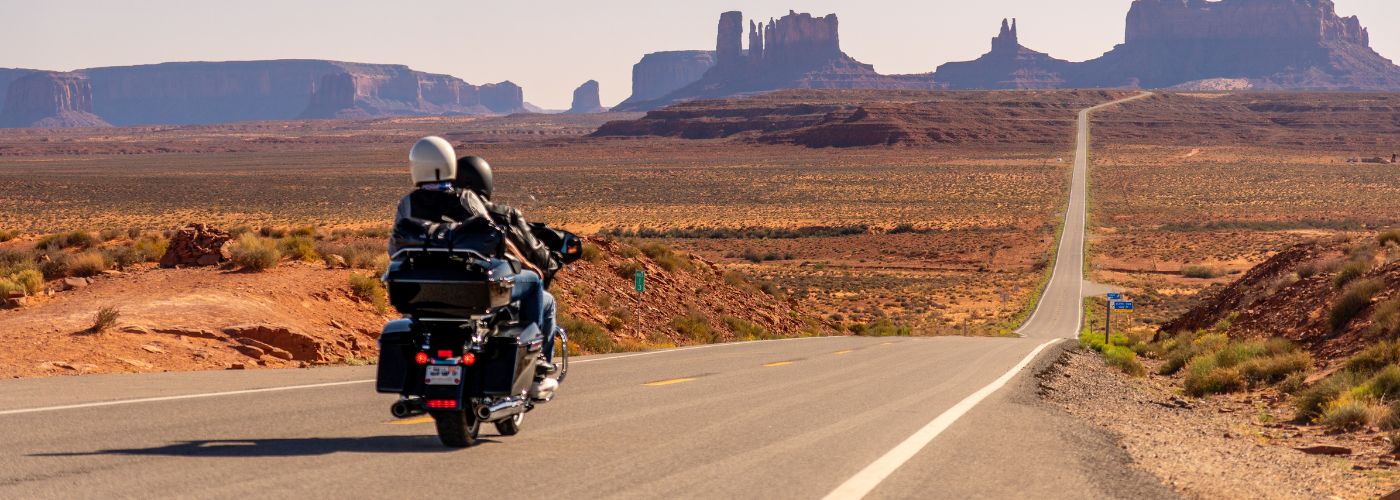
Running out of fuel in an unfamiliar or isolated area can quickly turn a great trip into a difficult situation. Use apps or maps to locate gas stations along your route, and always refuel earlier than you think you need to.
This simple habit can save you from unnecessary stress and delays.
In addition to fuel, you should also plan regular breaks. Riding for long hours can be tiring, especially when you are exposed to wind, noise, and changing road conditions.
Stopping every hour or two allows you to stretch, hydrate, and stay alert. These breaks are not just for comfort—they are important for safety as well.
Organize Weather Checks Before Each Riding Day
Weather plays a huge role in what to know about motorcycle travel because it directly affects your safety and comfort. Unlike being inside a car, you are fully exposed to rain, wind, heat, and cold.
Checking the weather forecast before each riding day helps you prepare for changing conditions.
Ignoring weather conditions can put you at risk and make your ride far more difficult than it needs to be. Sudden storms, strong winds, or extreme temperatures can impact visibility and road traction.
By staying informed, you can adjust your route, timing, or gear as needed.
It is also a good idea to pack for unexpected weather changes. Even if the forecast looks clear, conditions can shift quickly. Having rain gear, extra layers, and proper gloves can make a big difference in how comfortable and safe you feel during your ride.
Coordinate Packing Space for Gear and Essentials
Another important aspect to know about motorcycle travel is how to pack efficiently. Unlike cars, motorcycles have limited storage space, so every item you bring must serve a purpose.
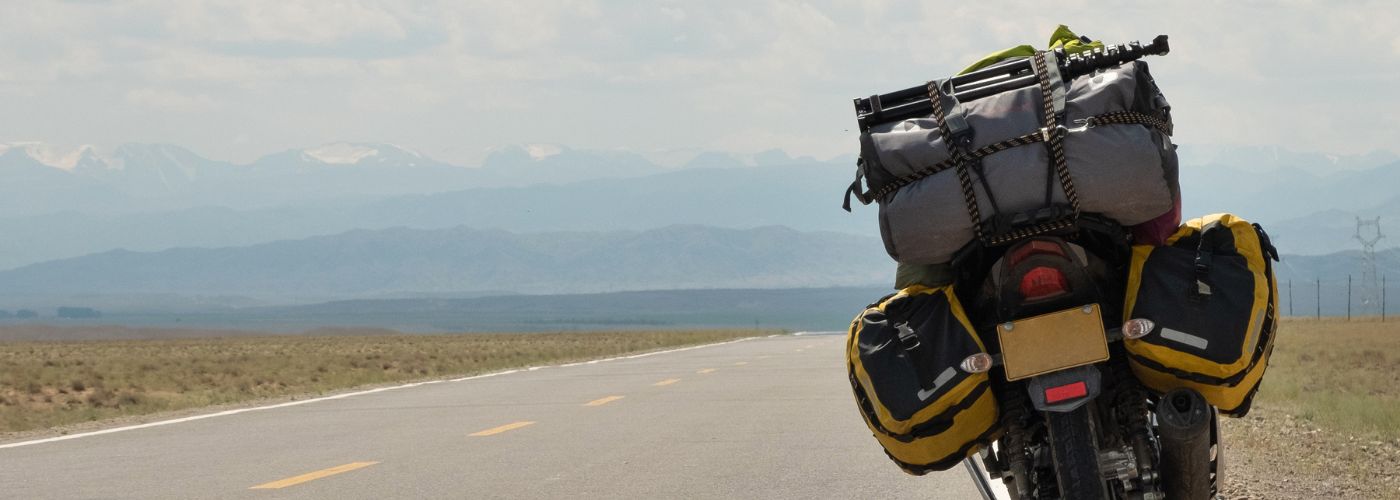
Overpacking can make your bike harder to handle, while underpacking can leave you without important essentials.
Smart packing is not about bringing more items, but about bringing the right ones in the right way. Use saddlebags, tank bags, or backpacks designed for motorcycle travel to keep your items organized and secure.
Make sure the weight is balanced evenly on both sides of the bike to maintain stability while riding.
You should prioritize items such as protective gear, weather-appropriate clothing, basic tools, and emergency supplies. Think carefully about what you truly need for your trip and avoid unnecessary extras.
Keeping your load light and organized will improve both your comfort and your control on the road.
Schedule Bike Inspections Before and During the Trip
Understanding what to know about motorcycle travel also includes taking care of your bike. Before starting your trip, you should perform a full inspection to ensure everything is working properly. This includes checking tires, brakes, oil levels, lights, and chains or belts.
A well-maintained motorcycle reduces the risk of breakdowns and helps you ride with confidence. Small issues can become major problems if they are ignored, especially during long-distance travel. Taking the time to inspect your bike before you leave can prevent unexpected delays.
Inspections should not stop once your trip begins. Make it a habit to check your motorcycle regularly during your journey. Quick daily checks can help you catch problems early and keep your bike running smoothly. This simple routine can save you time, money, and frustration along the way.
Have A Group Leader & Tail Gunner
If you are riding with others, one key thing to know about motorcycle travel is the importance of group structure. Riding in a group can be fun and safer, but it also requires coordination. Having a group leader and a tail gunner helps keep everyone organized and on track.
A clear group structure improves communication and ensures that no rider is left behind. The group leader is responsible for setting the pace, navigating the route, and making decisions during the ride. The tail gunner stays at the back to assist anyone who may have issues or fall behind.
This setup allows the group to move smoothly while also keeping safety a priority. It reduces confusion and helps riders feel more supported throughout the trip. Whether you are traveling with friends or joining a larger group, having defined roles can make the experience more enjoyable for everyone.
Tips For Buying A Used Motorcycle
Buying a pre-owned motorcycle can be a great way to save money while still getting a reliable and enjoyable ride. However, it is important
Jun
Are Clip-On Handlebars Worth It?
Clip-on handlebars are a popular upgrade for riders who want a more aggressive look and improved performance. They are commonly seen on sport bikes,
May
5 Things You Should Know About Motorcycle Travel
Have you ever thought about buying a motorcycle and hitting the open road? The wind in your hair and your worries at your back.
Apr