
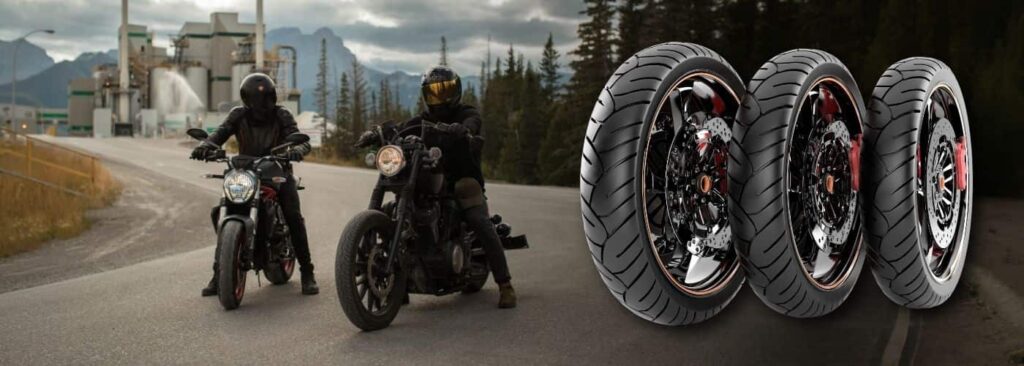
Motorcycle tires are the only point of contact between your bike and the road, making them one of the most crucial components of your ride. Not only do they affect your bike’s performance and handling, but they also play a significant role in ensuring your safety on the road. With so many options available in today’s market, choosing the right motorcycle tire can be a daunting task. We’ll be going over how to choose a motorcycle tire.
How To Read Motorcycle Tire Sizes
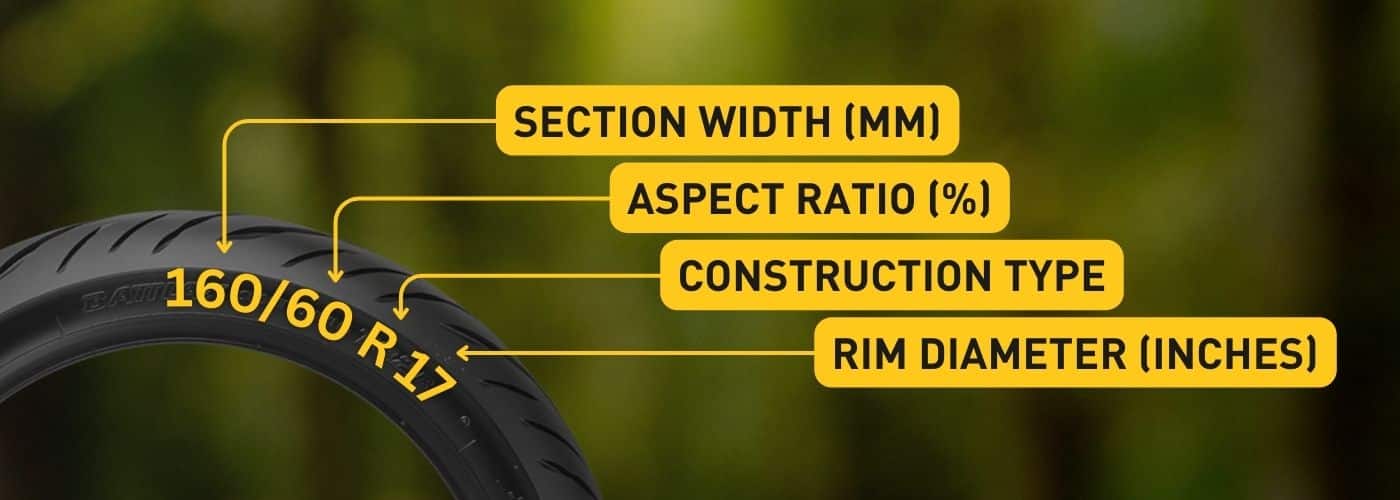 Reading motorcycle tire sizes can be a little daunting at first, but with a little bit of knowledge and understanding, it’s not that hard.
The most important thing to understand is how tire sizes are written. A typical measurement will look something like “120/70-18.” The first number represents the width of the tire in millimeters, while the second number refers to the height and width of the sidewall.
This means that in this example, our tire is 120mm wide and has a sidewall height equal to 70% of its width. The 18 represents the rim size for the wheel. So, if you have 18-inch rims, then be sure to be the right tire size.
Depending on the tire, they may also have a letter attached to them like R, H, or S. These letters represent the construction rating of the tire. The higher the rating then the better the tire.
One thing to be aware of is the tire tread pattern. Motorcycle tire tread patterns come in all shapes and sizes, so choose one that best fits your driving needs and lifestyle.
One of the most popular patterns for motorcyclists is the sport touring tires. These tires typically have a multi-directional or V-shaped tread design that offers excellent grip and handling on both wet and dry roads.
They also provide good stability at high speeds, making them ideal for riders who enjoy long-distance rides or sport touring events. Additionally, touring tires for touring motorcycles, like Harley Davidson, tend to have deeper grooves than other types of tires, which helps to disperse water more effectively when riding in rainy conditions.
What Is Offset On Motorcycle Wheels?
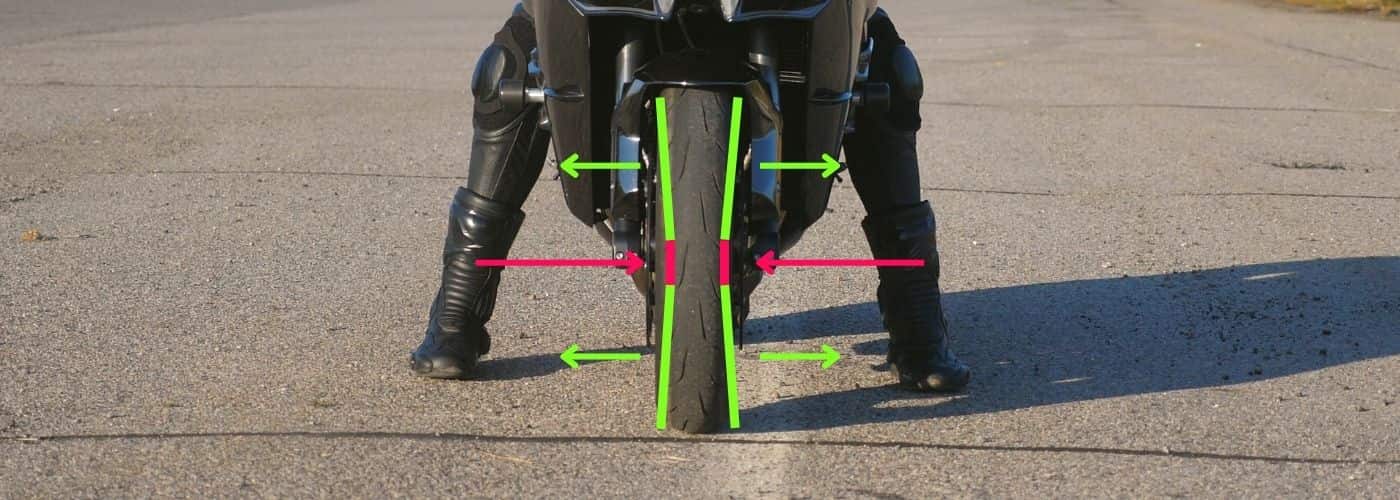 Offset on motorcycle wheels is a term used to describe the distance between the centerline of the wheel and its mounting surface. It is an essential factor that determines how your motorcycle handles, steers, and grips the road. When you buy a new set of wheels for your motorcycle, you need to consider their offset to ensure they are compatible with your bike’s specifications.
The offset can be positive or negative depending on whether the mounting surface is closer or further away from the centerline than usual. Positive offset means that the mounting surface is towards the outside of the wheel, while negative offset means it’s closer to the inside.
A higher positive number results in a wider stance and more stability when taking turns at high speeds. Conversely, negative offset leads to a narrower stance and quicker response when steering.
How To Check Motorcycle Tire Tread
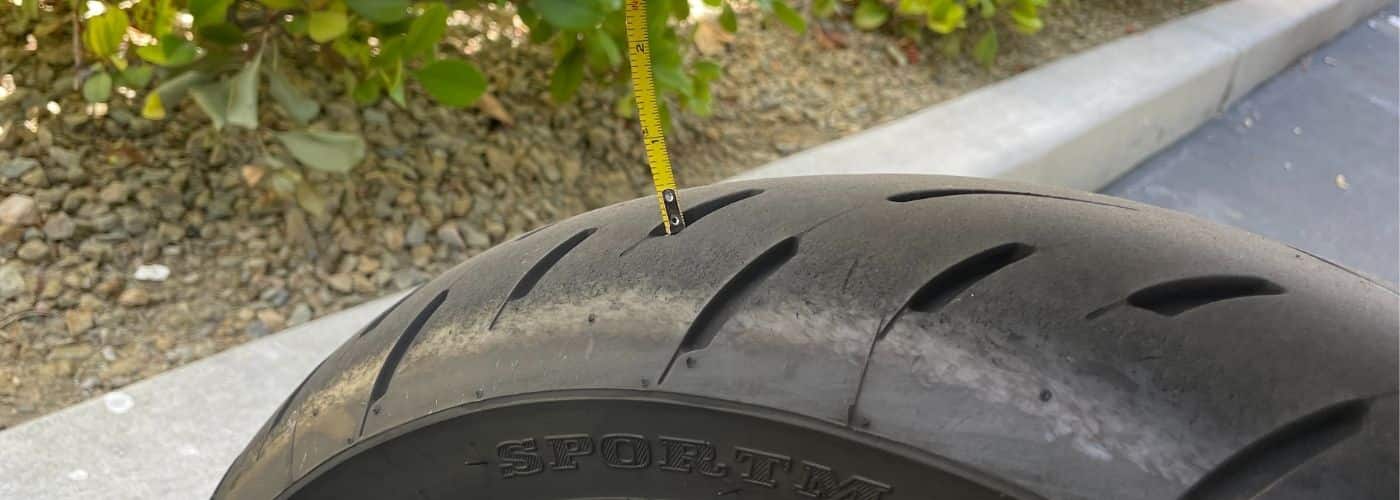 Checking the tread on your motorcycle tires is a critical aspect of safe riding. The tire tread condition greatly affects your ability to handle and control your bike, especially in wet conditions. Worn-out or bald tires can lead to accidents, so knowing how to check motorcycle tire tread is essential.
To start, look for the wear bars on your tires. These small raised bars run across the grooves in the tread pattern. If any part of these wear bars is flush with the surface of the tire tread, it’s a sign that you need new tires.
Additionally, you can use a coin to measure the depth of your tire treads. Place a penny into several grooves around each tire with coin head upside down and facing you.
If the tread covers the top of coin’s head, your tread depth is fine. If you can see the whole coin’s head, it’s time to install new tires. If you need new tires, then see a motorcycle repair shop, as they can help you pick the right tires for your motorcycle.
How Long Do Motorcycle Tires Last?
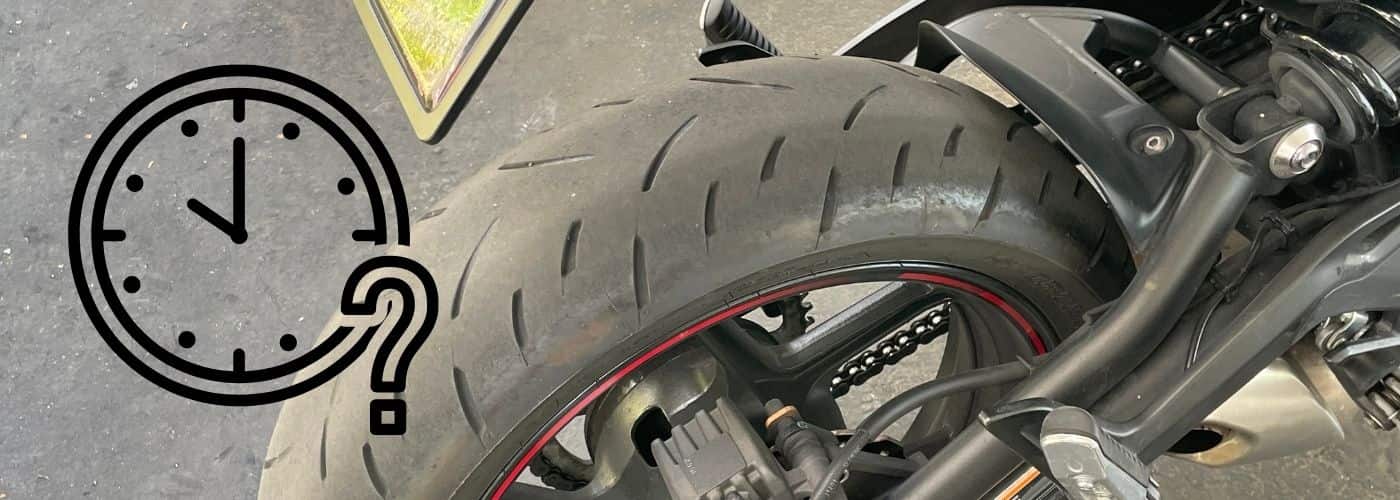 The lifespan of motorcycle tires depends on several factors such as usage, weather conditions, maintenance, and type of tire. Generally speaking, motorcycle tires can last anywhere from 5,000-20,000 miles depending on usage and maintenance.
Sportbike riders tend to wear out their rear tire faster than their front due to aggressive acceleration and braking. In contrast, touring riders who rack up higher mileage often need to replace both front and rear around the same time frame.
Additionally, proper motorcycle service is essential for extending the life of your motorcycle tires. Always make sure that your tire pressure is to driving specs and that your motorcycle is aligned.
Do Motorcycle Tires Need To Be Balanced?
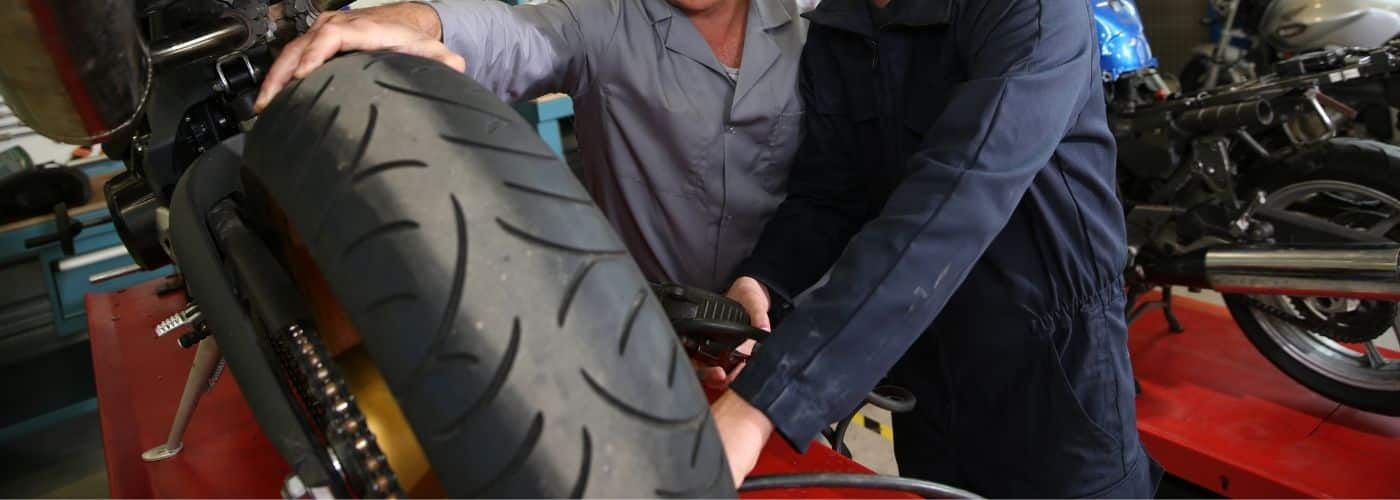 When it comes to motorcycle maintenance, one question that often arises is whether or not the tires need to be balanced. The answer is a resounding yes.
Firstly, unbalanced tires can lead to uneven wear, which affects the bike’s performance and poses a safety risk. As the tire wears unevenly, its shape changes and can cause handling issues such as wobbling or shaking at high speeds. This can be particularly dangerous when cornering or braking.
Secondly, balancing ensures that vibrations are minimized while riding. Even slight vibrations can cause fatigue and discomfort for riders on long journeys. Balancing helps distribute weight evenly throughout the tire and wheel assembly, leading to smoother rides.
In general, experts recommend balancing motorcycle tires every time you install new ones or replace old ones with used ones. This ensures that your bike remains stable and balanced when riding at high speeds, reducing the chances of accidents caused by wheel wobbling or shimmying.
Additionally, if you notice any unusual vibrations or wobbling while riding your motorcycle, it may be time to balance the wheels again.
Another factor to consider when thinking about tire balancing frequency is mileage. The higher the tire mileage, the less balanced it becomes because of normal wear and tear.
Are Clip-On Handlebars Worth It?
Clip-on handlebars are a popular upgrade for riders who want a more aggressive look and improved performance. They are commonly seen on sport bikes,
May
5 Things You Should Know About Motorcycle Travel
Have you ever thought about buying a motorcycle and hitting the open road? The wind in your hair and your worries at your back.
Apr
Signs of A Bad E-Bike Battery
An e-bike battery is the heart of your electric bike. When it starts to fail, your rides can quickly become frustrating and unreliable. This
Mar