
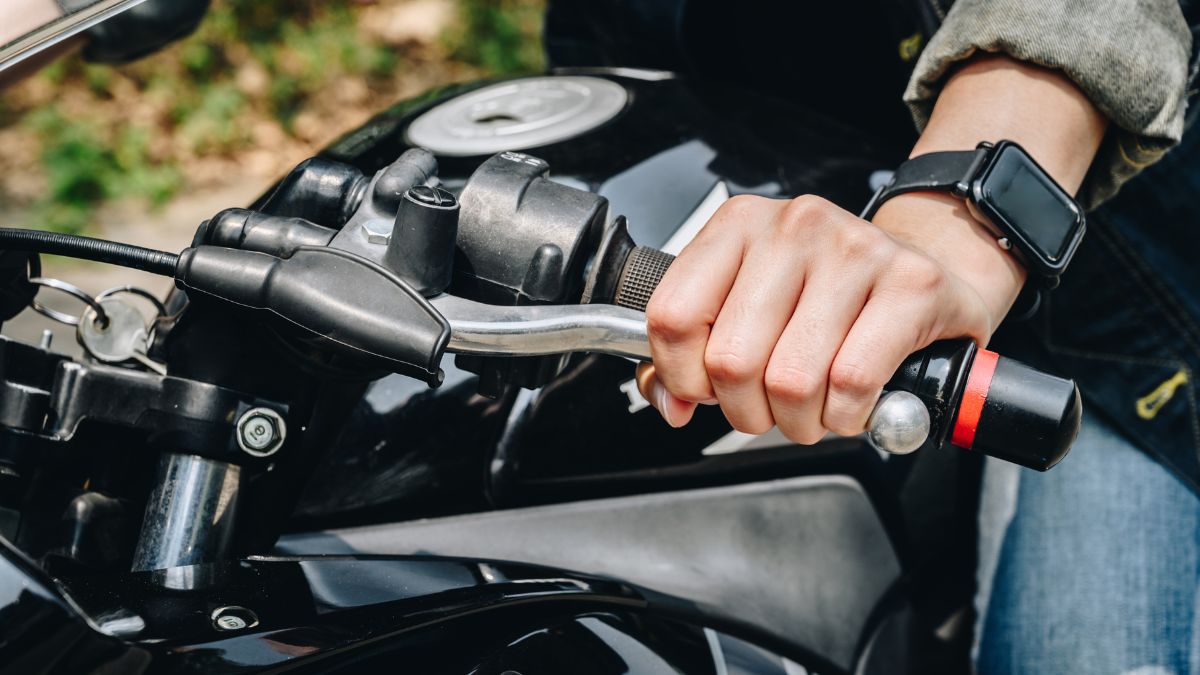
A motorcycle clutch helps control how engine power reaches the transmission and rear wheel. When clutch parts begin to wear or stop working correctly, the motorcycle may become harder to shift, accelerate, or control smoothly.
This article goes over common warning signs that may indicate a clutch problem.
Warning Signs That Your Motorcycle Clutch Needs Repair
Clutch problems can develop slowly, which means the first symptoms may be easy to overlook. A rider might notice a small change in shifting, acceleration, lever movement, or how the motorcycle responds when pulling away from a stop.
These changes can become more noticeable as clutch components continue to wear.
If your motorcycle clutch needs repair, paying attention to changes in normal riding behavior can help you recognize a possible problem earlier.
The clutch system contains several parts that work together, including friction plates, steel plates, springs, cables, and other components depending on the motorcycle.
Wear or improper adjustment in one area can affect the operation of the entire system. Changes that continue to happen during normal riding should be inspected instead of being treated as a normal part of motorcycle operation.
Engine Revs Increase Without Faster Acceleration
A noticeable increase in engine speed without a matching increase in motorcycle speed can be a sign of clutch slipping. For example, a rider may open the throttle and hear the engine rev higher while the motorcycle takes longer than expected to accelerate.
This may be especially noticeable when accelerating hard, climbing a hill, carrying additional weight, or riding in a higher gear.
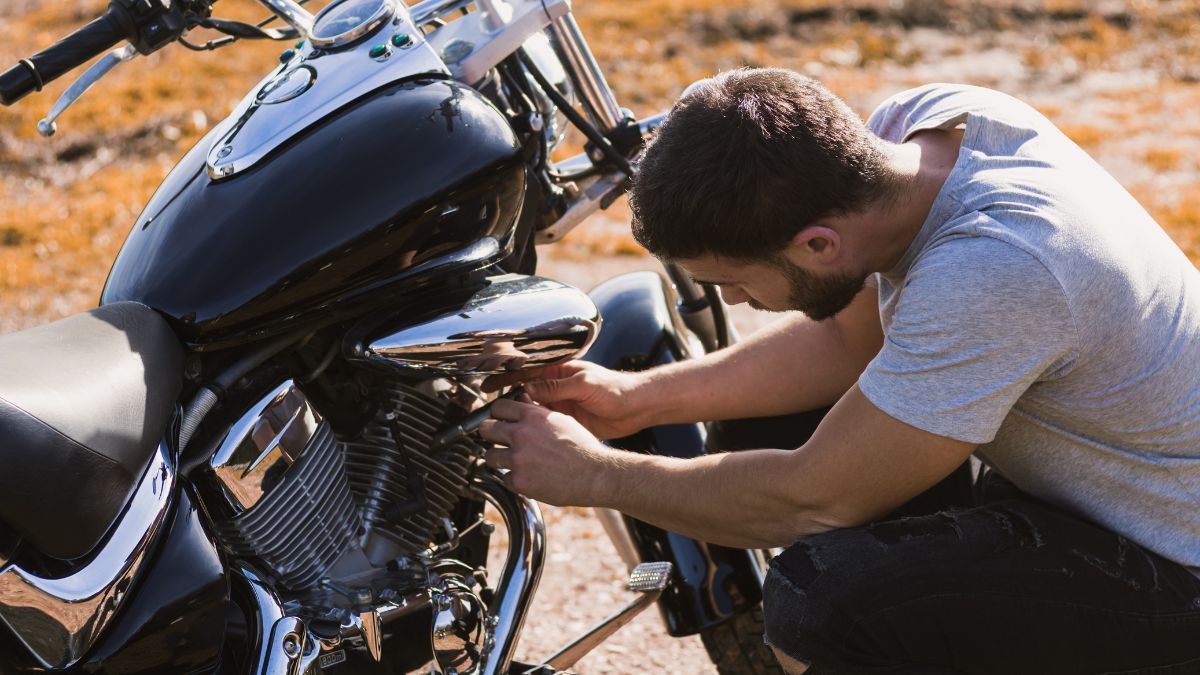
This slipping can happen when friction plates become worn and can no longer maintain enough grip to transfer engine power effectively.
Weak clutch springs, incorrect adjustment, or other clutch-related problems may also contribute. When a motorcycle clutch needs repair, continued slipping can create additional heat and increase wear on clutch components.
Engine speed and motorcycle acceleration should normally increase together when the clutch is fully engaged. A growing difference between the two is a warning sign that should not be ignored.
Difficulty Shifting Between Gears
One common clutch-related problem is difficulty moving smoothly from one gear to another. Shifting may feel unusually hard, or the transmission may resist moving into the selected gear.
Riders might also notice that finding neutral becomes more difficult than it used to be. These symptoms can occur when the clutch does not fully disengage after the lever is pulled.
If a motorcycle clutch needs repair, shifting problems may become more noticeable after the motorcycle warms up or during frequent gear changes in traffic.
Incorrect cable adjustment, worn clutch plates, damaged components, or problems with a hydraulic clutch system can prevent proper disengagement.
A properly operating clutch should allow normal gear changes without requiring excessive pressure or repeated attempts to select a gear.
Because transmission problems can sometimes create similar symptoms, a proper inspection can help identify where the problem is coming from.
Clutch Lever Feels Loose or Unusually Stiff
The clutch lever should have a predictable feel when it is pulled and released. A lever that suddenly becomes very loose may indicate excessive cable slack, a stretched cable, or another adjustment problem.
On the other hand, a lever that becomes unusually stiff can be related to a damaged or poorly moving cable, problems within the clutch mechanism, or components that are no longer operating freely.
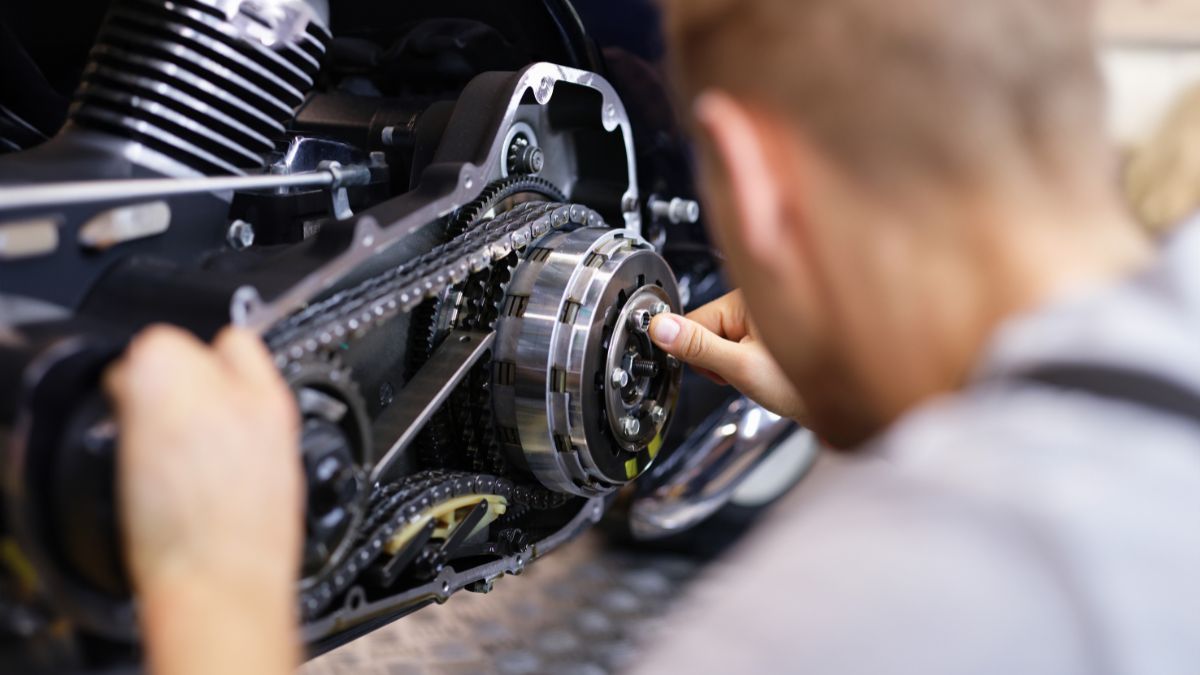
A sudden change in clutch lever resistance can provide an early clue that something in the clutch system is no longer operating normally.
If a motorcycle clutch needs repair, the engagement point may also move closer to or farther away from the handlebar.
Hydraulic clutch systems can develop different problems, including low fluid levels, leaks, or air entering the system.
Since the correct lever feel varies between motorcycle models, riders should pay attention to changes from how their own motorcycle normally operates.
Motorcycle Jerks When Releasing the Clutch
A motorcycle should generally begin moving in a controlled and predictable way as the clutch lever is released. If the motorcycle suddenly jerks, grabs, or shakes during engagement, the clutch may not be applying power smoothly.
This can make slow-speed riding more difficult, especially when starting from a stop, making tight turns, or moving through heavy traffic.
When a motorcycle clutch needs repair, rough engagement can sometimes be caused by worn or damaged clutch plates, warped components, incorrect adjustment, or problems that prevent the plates from engaging evenly.
Oil condition or using an unsuitable lubricant may also affect clutch behavior on motorcycles that use a wet clutch system.
Repeated grabbing or jerking should be inspected because smooth clutch engagement is important for maintaining predictable control of the motorcycle.
The exact cause should be identified before replacing parts because several clutch-related conditions can produce similar riding symptoms.
Burning Smell After Riding
A burning smell after riding can be another warning sign of excessive clutch heat. A slipping clutch creates friction as the clutch plates struggle to maintain full contact while transferring engine power.
This can produce additional heat and may cause a noticeable odor, particularly after repeated acceleration, riding uphill, carrying heavier loads, or spending extended time in slow traffic.
If a motorcycle clutch needs repair, a burning smell may appear along with other symptoms such as slipping, poor acceleration, or unusual clutch engagement.
However, motorcycles contain several components that can produce burning odors, including brakes, electrical wiring, leaking fluids, and materials touching hot exhaust parts.
The source of the smell should therefore be properly identified rather than automatically assuming the clutch is responsible.
A persistent burning smell combined with changes in clutch performance can indicate a problem that deserves prompt attention. Continuing to ride with excessive clutch slipping can generate more heat and potentially increase damage to the clutch assembly.
Having the motorcycle inspected can help determine whether adjustment, repair, or replacement of worn components is necessary.
Signs Your Motorcycle Clutch Needs Repair
A motorcycle clutch helps control how engine power reaches the transmission and rear wheel. When clutch parts begin to wear or stop working correctly,
Oct
What Causes Uneven Motorcycle Tire Wear?
Motorcycle tires do not always wear at the same rate across the entire tread. Certain wear patterns may point to maintenance problems, riding habits,
Sep
Common UTV Mistakes New Owners Make
Buying your first UTV is exciting, but learning how to operate and maintain it properly is just as important. Making even one small UTV
Aug