Buying your first UTV is exciting, but learning how to operate and maintain it properly is just as important. Making even one small UTV mistake can affect safety, performance, and the lifespan of your vehicle.
This article goes over the most common mistakes new owners should avoid and how to develop better habits from the start.
Top UTV Mistakes To Avoid For New Owners
Owning a utility task vehicle opens the door to outdoor adventures, work projects, and off-road exploration. However, many first-time owners make decisions that could have been avoided with a little preparation and knowledge.
A common UTV mistake is assuming that every model handles the same way, when in reality, different machines have different capabilities, weight limits, and maintenance requirements.
Taking the time to learn your vehicle before pushing it to its limits can help prevent unnecessary repairs and improve your overall riding experience.
Reading the owner’s manual, practicing in open areas, and following recommended maintenance schedules all contribute to safer operation. Small habits developed early often make a significant difference over the life of your UTV.
Overloading the UTV Beyond Its Capacity
Every UTV is designed with specific payload and towing limits that should never be exceeded. Carrying too much weight can place unnecessary stress on the suspension, brakes, drivetrain, and tires.
It can also reduce steering control, increase stopping distance, and make the vehicle less stable on uneven terrain.
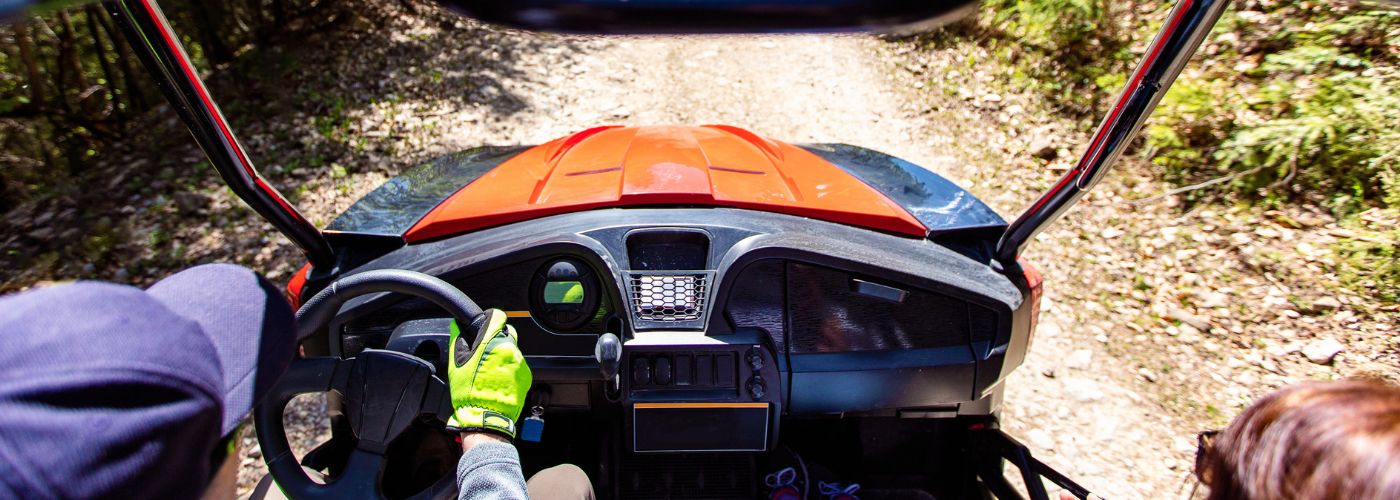
Following the manufacturer’s weight recommendations helps protect both the vehicle and everyone riding in it.
Before loading equipment, passengers, or supplies, verify the maximum carrying capacity listed for your model. Properly distributing the load instead of placing everything in one area also helps maintain better UTV balance and handling.
Ignoring Tire Pressure Adjustments for Different Trail Conditions
Tire pressure has a major impact on traction, ride comfort, and handling. Many new owners leave the tires at one pressure year-round without considering changes in terrain.
Rocky trails, muddy conditions, sandy areas, and hard-packed roads may all benefit from different tire pressures depending on the manufacturer’s recommendations.
Checking tire pressure before every ride takes only a few minutes but can improve stability and reduce unnecessary tire wear.
Keeping a quality tire gauge with your riding equipment makes it easy to verify proper inflation before heading onto the trail. Correct tire pressure also helps maximize traction while reducing the chance of damage from sharp obstacles.
Failing to Inspect the UTV Before and After Every Ride
Routine inspections are one of the easiest ways to prevent mechanical problems from becoming expensive repairs. Before each ride, look over the tires, suspension, steering components, lights, brakes, and fluid levels.
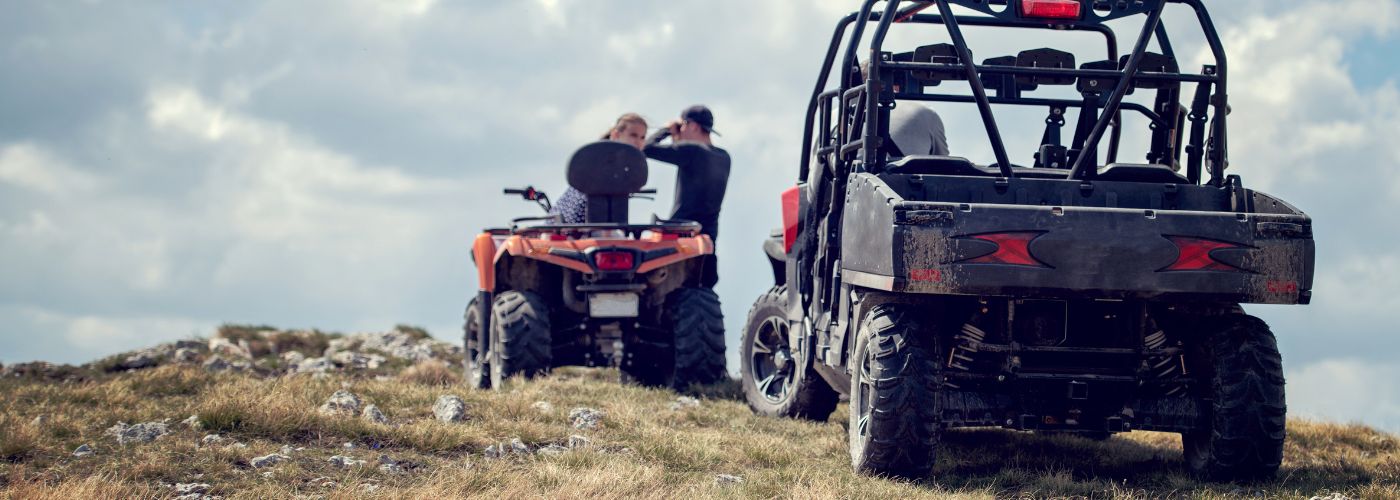
After returning home, inspect the vehicle again for leaks, loose hardware, damaged parts, or excessive dirt that should be cleaned away.
Regular inspections often identify small issues before they become serious safety concerns or costly mechanical failures.
Cleaning the UTV after muddy or dusty rides also helps protect moving parts and makes future inspections much easier. Developing this routine helps keep the vehicle reliable throughout every season.
Driving Too Aggressively Before Learning The Vehicle
Many first-time owners become comfortable too quickly and begin driving faster than their skill level allows. Every UTV responds differently depending on its size, suspension, power, and the terrain underneath it.
Sharp turns, steep hills, and rough trails require experience and careful judgment that develops over time.
Building confidence gradually allows you to better understand how the vehicle reacts in different situations while reducing unnecessary risks.
Start with slower speeds on easier trails before progressing to more challenging terrain. As experience grows, drivers naturally develop better control, smoother steering, and improved decision-making during unexpected situations.
Using the Wrong Fuel or Fluids for Your UTV Model
Not every fuel, oil, coolant, or transmission fluid is suitable for every UTV. Using products that do not meet the manufacturer’s specifications may reduce performance, increase engine wear, or even lead to expensive repairs.
Always review the owner’s manual before adding any fluid or performing routine maintenance.
Using the correct products recommended by the manufacturer helps maximize reliability, efficiency, and long-term performance.
Keeping maintenance records and following scheduled service intervals also makes it easier to track when fluids need replacement.
Proper maintenance protects the engine, transmission, cooling system, and other major components for years of dependable riding.
What Causes Uneven Motorcycle Tire Wear?
Motorcycle tires do not always wear at the same rate across the entire tread. Certain wear patterns may point to maintenance problems, riding habits,
Sep
Common UTV Mistakes New Owners Make
Buying your first UTV is exciting, but learning how to operate and maintain it properly is just as important. Making even one small UTV
Aug
What Causes Jerky Throttle Response in Electric Bikes
Electric bikes are designed to provide smooth and responsive power, making rides more enjoyable and efficient. However, when the throttle feels inconsistent or unpredictable,
Jul