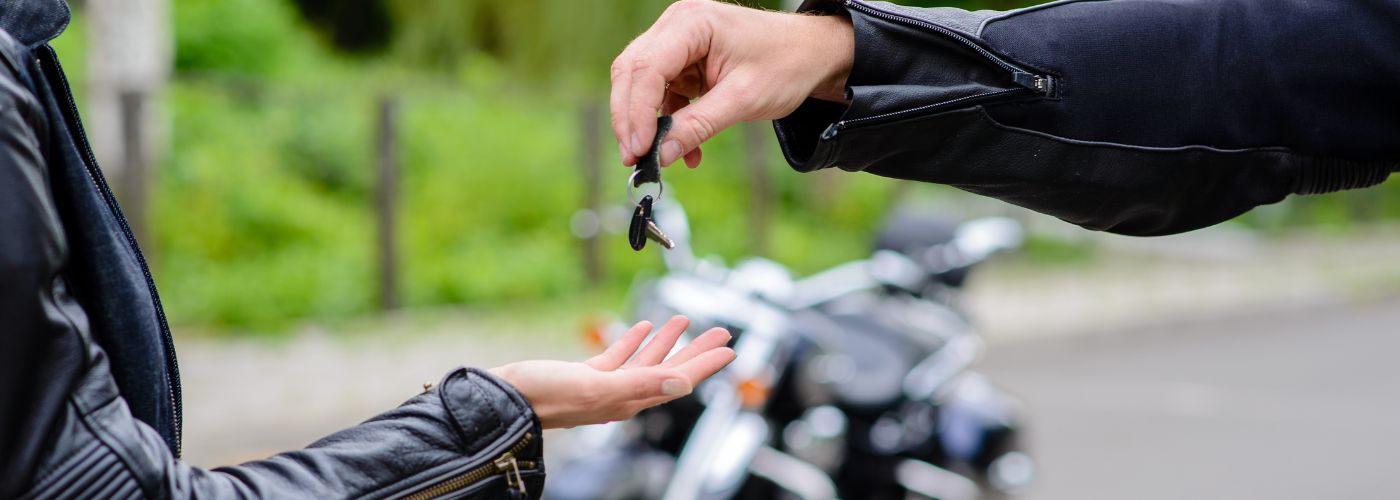
Buying a pre-owned motorcycle can be a great way to save money while still getting a reliable and enjoyable ride. However, it is important to take your time and carefully inspect the bike before making a purchase.
This article goes over the most important things to look for so you can avoid costly problems and make a smart decision.
Essential Tips For Buying A Used Motorcycle
One of the most important tips for buying a used motorcycle is to avoid rushing into a deal simply because the price seems attractive. Many motorcycles may look clean on the outside, but could have hidden mechanical problems that become expensive later.
Taking the time to inspect the bike, ask questions, and compare multiple options can help you avoid making a costly mistake. A careful approach also gives you more confidence in the final purchase.
It is also smart to research the specific make and model before meeting the seller. Some motorcycles are known for long-term reliability, while others may have common issues that buyers should understand beforehand.
Reading owner reviews and checking market prices can help you recognize whether the motorcycle is fairly priced. Bringing along a knowledgeable friend or mechanic can also help you notice problems you may miss on your own.
Test the Engine Performance During a Ride
Among the most valuable tips for buying a used motorcycle is making sure you test the engine performance before agreeing to purchase the bike. The engine is the heart of the motorcycle, and problems with it can become extremely expensive to repair.
When starting the motorcycle, listen closely for unusual sounds such as knocking, ticking, or grinding noises. The engine should start smoothly without excessive smoke coming from the exhaust.
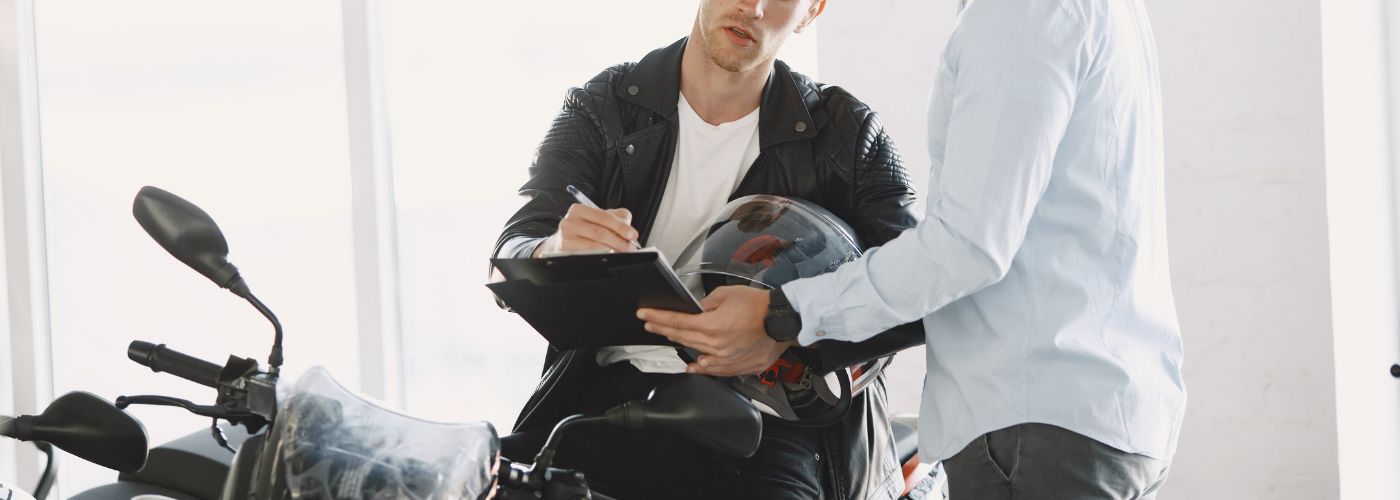
During a test ride, pay attention to how the motorcycle accelerates, shifts gears, and responds to throttle input. The ride should feel smooth and controlled without hesitation or jerking.
If the motorcycle struggles to accelerate or feels weak, there could be engine or fuel system problems. Watch the temperature gauge if the motorcycle has one, because overheating can indicate serious mechanical issues.
It is also important to test the clutch and transmission while riding. The clutch should engage smoothly without slipping, and gear changes should feel consistent.
If the motorcycle vibrates excessively or makes loud noises while riding, there may be hidden issues that require further inspection. Taking the time to ride the motorcycle at different speeds and under different conditions can reveal problems that are not obvious while the bike is parked.
Inspect the Frame and Body for Signs of Damage
One of the best tips for buying a used motorcycle is to carefully inspect the frame and body for any signs of previous accidents or damage. The frame is one of the most important parts of the motorcycle because it supports the entire structure of the bike.
If the frame is bent, cracked, or poorly repaired, it can affect safety, handling, and long-term reliability. Even small damage could indicate the motorcycle was involved in a serious crash.
Take a close look at the paint, fairings, handlebars, and mirrors for scratches, dents, or uneven gaps. Fresh paint in one area may sometimes hide repairs or damage underneath.
Check for rust around bolts, welds, and under the seat because rust can weaken important parts over time. You should also look underneath the motorcycle for signs of leaks, cracks, or worn components that may not be visible at first glance.
Pay attention to whether the handlebars and wheels line up properly when the motorcycle is standing straight. Misalignment can sometimes point to frame damage or suspension issues.
If something looks uneven or out of place, ask the seller about it directly. A trustworthy seller should be willing to explain any past repairs or maintenance performed on the bike.
Examine Tires and Brakes for Wear and Safety
One of the smartest tips for buying a used motorcycle is checking the condition of the tires and brakes before finalizing the purchase. Tires and braking systems directly affect your safety on the road, so worn or damaged parts should never be ignored.
Start by inspecting the tire tread depth because bald or uneven tires may need immediate replacement. Cracks in the rubber or signs of dry rot can also indicate that the tires are old and unsafe.
Look closely at the brake pads and brake discs for excessive wear. Thin brake pads or heavily grooved rotors can reduce stopping power and increase repair costs after purchase.
When testing the motorcycle, make sure the brakes respond smoothly without squeaking, grinding, or vibrating. Soft or weak brake pressure could indicate problems with the brake fluid, master cylinder, or brake lines.
The suspension should also be checked because it works closely with the tires and brakes to provide stability. Push down on the motorcycle and see how the suspension responds.
It should move smoothly without leaking fluid or making unusual sounds. Safe handling and braking are critical for motorcycle riding, so it is worth taking extra time to inspect these components carefully before making your decision.
Check Service & Maintenance Records
One of the most overlooked tips for buying a used motorcycle is asking for service and maintenance records from the owner. These records provide valuable information about how well the motorcycle has been cared for over time.
A bike with regular oil changes, scheduled maintenance, and documented repairs is often a safer investment than one with no history available. Maintenance records can also help confirm the motorcycle’s mileage and overall condition.
Look for documentation related to oil changes, tire replacements, chain adjustments, brake servicing, and major repairs. If the motorcycle has recently had expensive maintenance completed, it could save you money after purchase.
On the other hand, missing records may suggest the owner neglected routine maintenance or is hiding past issues. Asking detailed questions about the bike’s service history can help you better understand what to expect in the future.
It is also a good idea to ask where the motorcycle was serviced. Work completed by reputable dealerships or certified mechanics can provide extra confidence in the quality of repairs.
If the seller performed maintenance personally, ask for receipts for parts and supplies whenever possible. A well-maintained motorcycle generally lasts longer and delivers a more dependable riding experience.
Verify Ownership and Title Documentation
One of the final but extremely important tips for buying a used motorcycle is verifying ownership and making sure all title documents are accurate. Problems with paperwork can create legal complications even if the motorcycle itself appears to be in great condition.
Always confirm that the seller’s name matches the information listed on the title. If the seller cannot provide a clear title, it may be best to walk away from the deal.
Check the vehicle identification number (VIN) on the motorcycle and compare it to the VIN listed on the title and registration documents. The numbers should match exactly without signs of tampering or alteration.
A mismatched VIN could indicate theft, title fraud, or major repairs involving replacement parts. You should also make sure there are no liens on the motorcycle that could affect ownership transfer.
It is wise to complete the transaction in a safe public location and request a bill of sale for your records. The bill of sale should include the purchase price, date, motorcycle information, and signatures from both parties.
Taking these steps helps protect both the buyer and seller while making the ownership transfer process much smoother. Proper documentation is just as important as the condition of the motorcycle itself when making a safe purchase.
What Causes Uneven Motorcycle Tire Wear?
Motorcycle tires do not always wear at the same rate across the entire tread. Certain wear patterns may point to maintenance problems, riding habits,
Sep
Common UTV Mistakes New Owners Make
Buying your first UTV is exciting, but learning how to operate and maintain it properly is just as important. Making even one small UTV
Aug
What Causes Jerky Throttle Response in Electric Bikes
Electric bikes are designed to provide smooth and responsive power, making rides more enjoyable and efficient. However, when the throttle feels inconsistent or unpredictable,
Jul